Tech
Navigating Cybersecurity in 2025: Emerging Threats and Defense Strategies
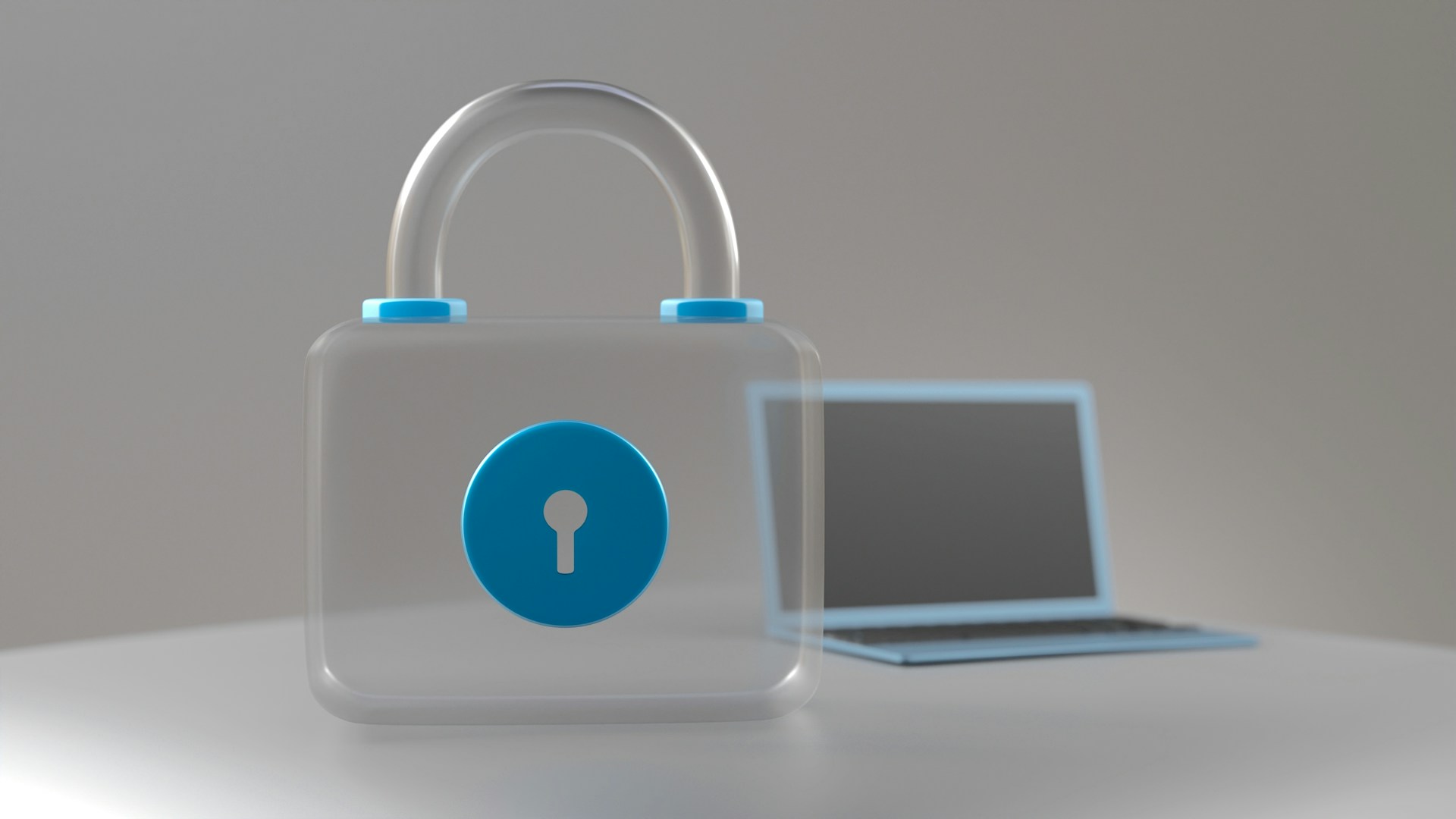
The year 2025 is being seen as a turning point for cybersecurity, right? With digital transformation being pushed at lightning speed worldwide, new threats are being thrown at organizations daily. The complexity of cyber-attacks has been increased, mostly powered by things like artificial intelligence (AI) and even quantum computing. And honestly, who saw that coming so fast? Because of this, adaptive and smart defense plans are now being demanded from almost every company out there. From deepfake scams to “ransomware-as-a-service,” cyber risks are being evolved so quickly that old-school security methods are being challenged big time.
This article is written to explain the major cybersecurity trends shaping 2025, the threats being faced, and the strategies that can be used to stay strong in this ever-changing world.
AI-Driven Cyber Threats: A Double-Edged Sword
Artificial intelligence is being used on both sides of the battlefield. Yep, both defenders and attackers are using it. AI has been used by hackers to make super-smart malware that keeps changing its shape in real-time—wild, right? Such malware is being designed to detect sandbox environments and learn from defense tools, which makes manual threat hunting almost impossible sometimes.
So, what’s being done to stop this? Well, AI is being used again—but this time by the defenders. Automated detection tools powered by AI are being deployed to catch strange behaviors before they explode into full-blown attacks. Integrating AI-enabled security systems is being prioritized by organizations, since catching these sneaky moves early is now the only way to stay ahead.
Ransomware-as-a-Service and Smart Malware Campaigns
Ransomware isn’t being slowed down—it’s being rented out. Crazy, huh? This new model, called Ransomware-as-a-Service (RaaS), is allowing even low-skilled attackers to launch major attacks by just subscribing to pre-made ransomware kits. Because of that, the pool of attackers has been widened, and new attack methods are being introduced almost weekly.
Polymorphic and fileless malware are also being spotted more in 2025. These types keep modifying themselves, slipping past antivirus tools like ghosts. Multi-layered defenses and constant patching are being recommended by security experts. EDR (endpoint detection and response) tools are being widely used too, just to shrink the attack surface a bit.
The Rise of Deepfakes and Social Engineering
It’s not just software attacks anymore. Minds are being hacked too. AI-created deepfakes—those super-real fake videos and audios—are being used to fool even smart employees. Fake voice messages of CEOs? Fake videos of managers giving “urgent” orders? Yep, all that is happening.
By the end of 2025, around 8 million deepfake videos and audios are expected to exist globally. Wow, right? That’s a massive number. Trust is being shaken, and verifying real vs fake is getting really hard. Employee training is being strongly advised so staff can recognize these manipulative tricks faster.
Zero Trust Architectures: Securing the Perimeterless World
The old wall-based security model? Gone. Totally gone. The Zero Trust approach is being taken up everywhere now, built on the simple rule: “Never trust, always verify.” Every user, every device, every session—everything is being checked again and again.
Techniques like micro-segmentation, user behavior analysis, and session monitoring are being used to stop attacks from spreading inside systems. By doing this, companies are being given more control over sensitive data and fewer major breaches are being reported. Makes sense, doesn’t it?
Preparing for Quantum Computing Threats
Quantum computing still sounds like sci-fi to many, but it’s already being worried about in cybersecurity. Since this tech could break most current encryption systems someday, hackers and even some nations are already saving encrypted data, waiting for the day quantum machines can read it. Scary thought, right?
To counter that, quantum-resistant encryption is being promoted. These new post-quantum algorithms are being made to secure data even against future quantum attacks. Experts say early adoption is being encouraged—why wait till it’s too late?
Collaboration and Regulations
Because cyber threats are being made more global and complex, teamwork is being pushed more than ever. Shared standards, compliance frameworks, and intelligence-sharing systems are being built to create stronger defenses together.
Regulations too are being tightened everywhere. Companies are being forced to show more transparency and accountability in how they manage cyber risks. Compliance software is being adopted to make this whole reporting process less painful.
Industry-Specific Cybersecurity Focus
Not all industries are being hit the same. Healthcare, banking, e-commerce, telecom, and government—these are still the top targets. Sensitive data is being hunted by attackers like gold.
For example, in Pakistan, a five-year Cyber Security Strategy has been launched by the telecom sector. The plan is being used to build resilience and awareness while bringing everyone—regulators, operators, and users—on one page. Smart move, right?
Essential Cyber Defense Strategies for 2025
So what should actually be done? Here’s what experts are suggesting (and seriously, these points are being repeated everywhere):
AI-Powered Security: AI and machine learning tools are being used for early detection, automated responses, and predicting attacker moves.
Zero Trust Models: Continuous authentication and verification are being implemented to stop lateral movement inside systems.
Endpoint Security: EDR solutions are being installed to watch for weird behavior and block advanced malware.
Continuous Training: Employees are being educated to spot phishing and deepfake scams fast.
Quantum-Resistant Encryption: Transitioning to quantum-safe algorithms is being started by many firms already.
Collaboration: Partnerships between private and public sectors are being encouraged to share real-time intelligence.
Regular Updates: Systems are being patched more frequently—no more “we’ll update next week” excuses!
Looking Ahead
As 2025 keeps rolling, the cyber world is being turned into an endless battlefield. Attackers are being seen using AI, quantum power, and manipulation tactics to break through defenses. But, organizations that keep adapting, training, and cooperating are being found to survive far better.
At the end, one truth is being realized by everyone—cybersecurity isn’t being treated as optional anymore. Staying alert, thinking ahead, and being innovative are being seen as the only ways to stay safe in this wild digital age.